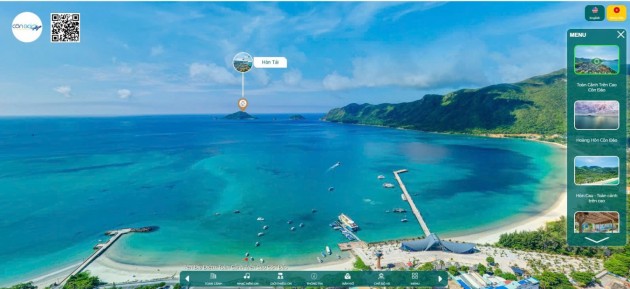
Con Dao through the journey of Sea Turtle rescue volunteers

A Crucial Nesting Ground for Vietnam’s Sea Turtles
From April to October each year, Con Dao enters the sea turtle nesting season, a vital period for an ancient species now standing on the brink of extinction.
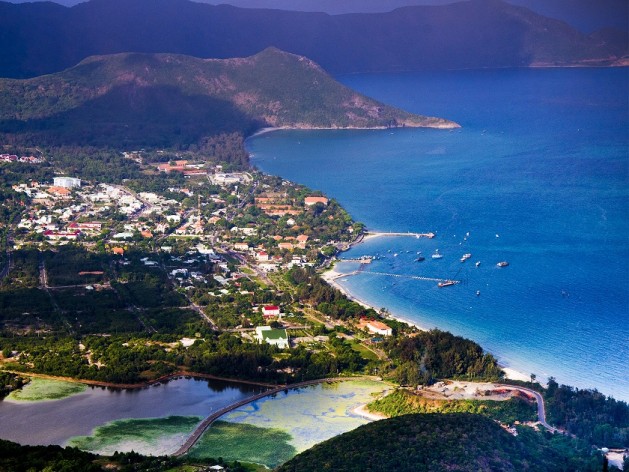
Among the archipelago, Bay Canh Island — part of Con Dao National Park — plays the most important role, hosting over 90% of all sea turtle nesting activity in Vietnam.
By 2014, the Sea Turtle Volunteer Program was established in collaboration with IUCN, mobilizing greater support for conservation work.
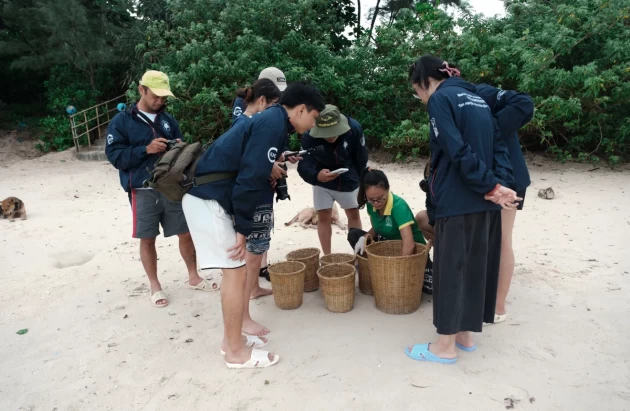
Over the past two decades, hundreds of volunteers have worked alongside park rangers on night patrols, nest monitoring, egg collection, incubation, and hatchling release — directly contributing to the survival of this endangered species.
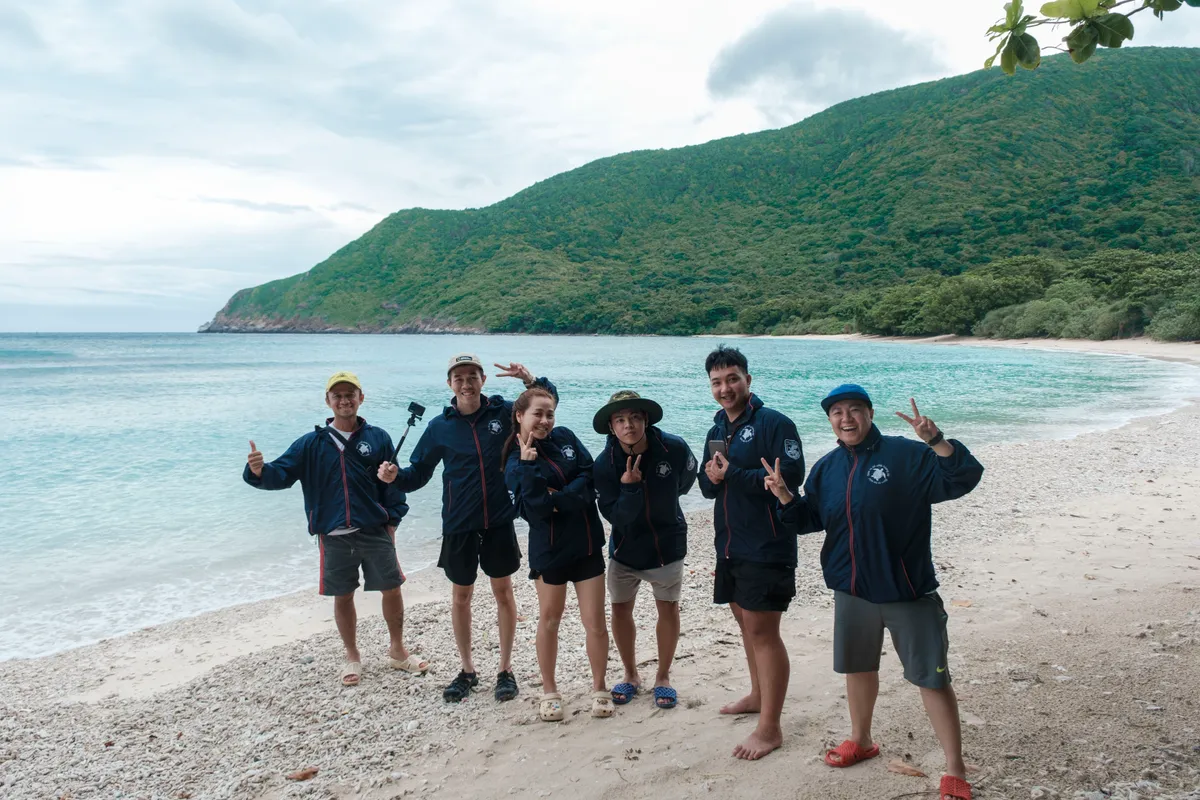
With nesting numbers peaking from June to September, Con Dao National Park is calling for more support than ever.
A Volunteer’s Dream Realized
Bui Minh Tuan, a young volunteer from Hanoi, spent 10 days on Bay Canh Island in June 2025. For him, this journey was not just an experience but a dream nurtured for three years since his first visit to Con Dao.
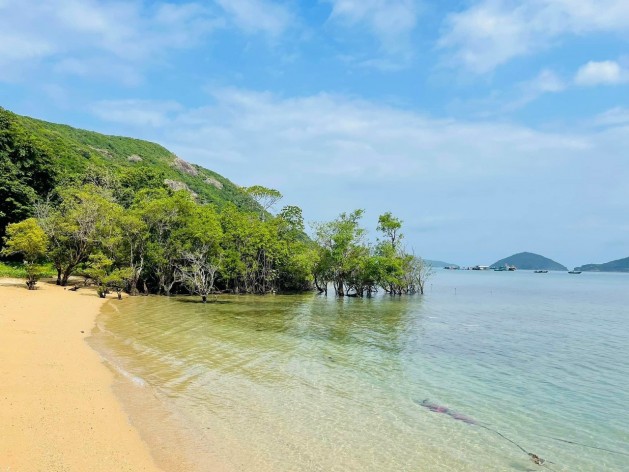
“The first impression was overwhelming. Bay Canh is breathtaking — a long stretch of powder-white sand, crystal-clear water, and an untouched forest embracing everything in serenity. But what really moved me were the little signs left by past volunteers reminding visitors to protect the turtles, and the kindness of the rangers at the station. It felt like stepping into another world — one where you truly live in harmony with nature,” Tuan shared.


Nights Without a Clock — Work Guided by the Rhythm of Nature
Daily tasks did not follow a fixed schedule.
From 8–9 PM, the team began patrolling the beach to spot nesting mother turtles. When one appeared, they monitored the nesting process, collected eggs for incubation, and tagged unmonitored turtles.
 Some nights ended at 2–3 AM, only to resume again at dawn to release hatchlings into the sea.
“One day, I saw a hatchling with a deformity on its belly. It struggled so hard to reach the water — but it made it. I think that was the bravest creature I’ve ever seen,” Tuan recalled emotionally.
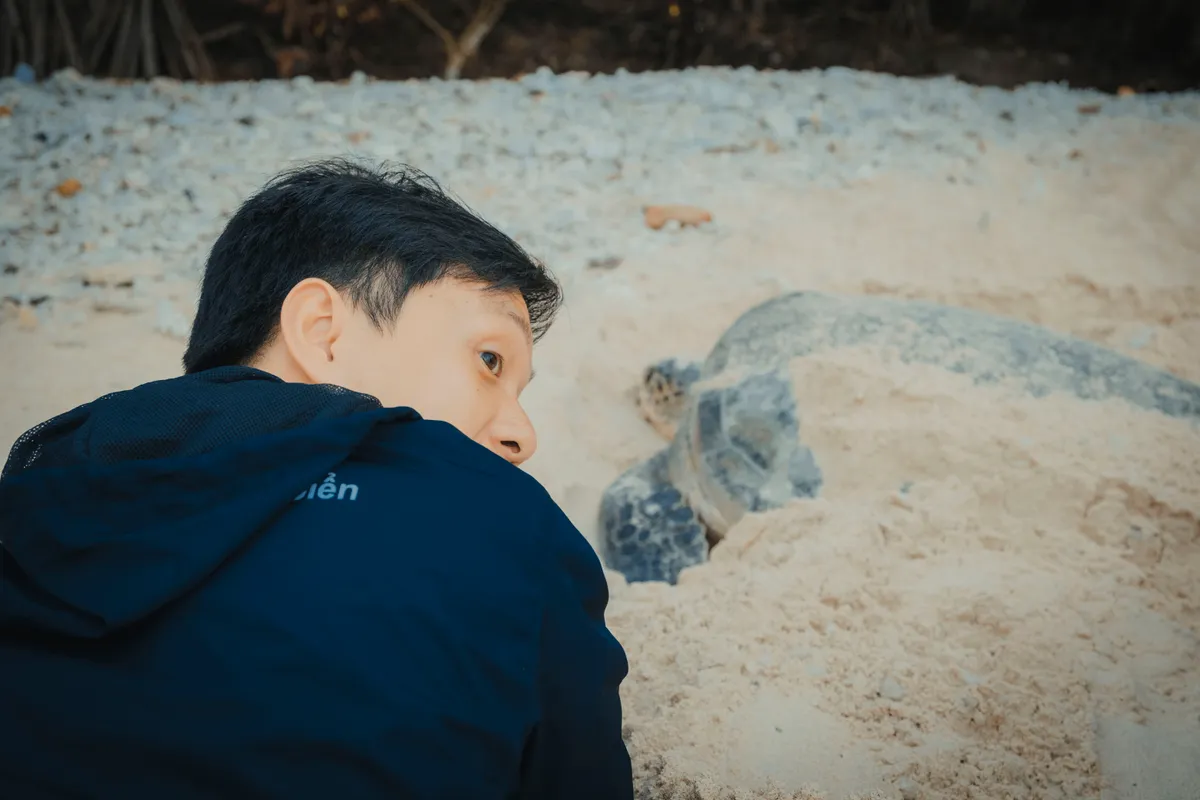 Patrolling, monitoring, and cleaning the nesting beaches to ensure the best possible environment for mother sea turtles to come ashore and lay their eggs
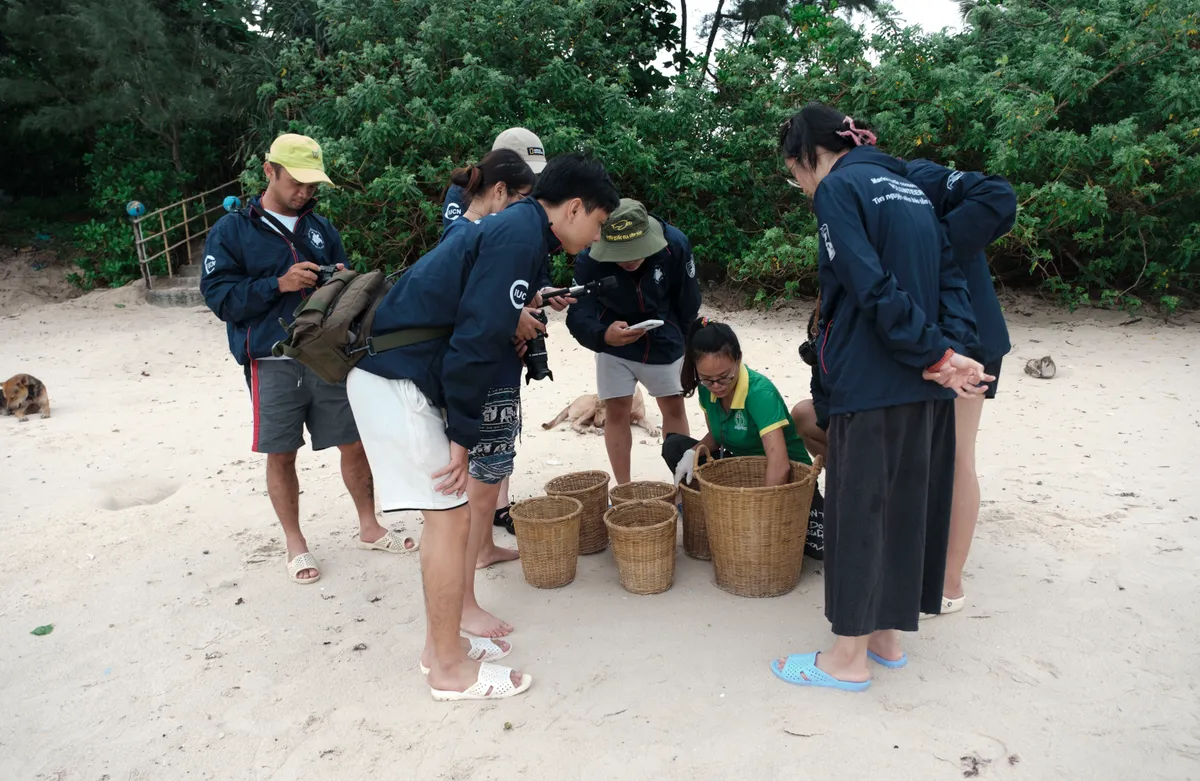 Building and managing turtle incubation enclosures, ensuring proper temperature, humidity, and other conditions for successful hatching
Protecting the Next Generation of Sea Turtles
When nests are at risk from tides or external impacts, rangers and volunteers carefully relocate the eggs to safe incubation zones.
They patrol beaches, maintain clean nesting habitats, build and manage incubation enclosures, and monitor temperature and humidity to ensure healthy hatching rates.
 Once the baby turtles emerge, they are released back into the ocean under close supervision to ensure their safety.
Each action — from the quiet footsteps on night patrols to the tender moment of releasing hatchlings — forms part of a greater mission: to give sea turtles a fighting chance for survival.
Author: HHN
Source: VTV online/ Translated by HHN
Newer articles
Older articles